In the creator economy's abundance era, perspective is worth more than reach
We're in the abundance era of the creator economy.
In the Creator Economy's Abundance Era, Perspective Is Worth More Than Reach
What the abundance era means for how you pick, brief, and measure creators.
AI tools have made production more accessible and easier than ever, and the result is content at an unparalleled scale. That sounds like good news for marketers, and in some ways it is. But it changes what a creator is actually worth to you.
Audiences are already seeing the same trends over and over, and the fatigue is showing. Meanwhile the platforms are shifting toward valuing engagements, shares, and sends over impressions. Creators are no longer novel, which means the question is no longer whether to work with them; it's what you should expect from them.
That's the core shift we unpacked in Volume 4 of The Creator Effect, and it changes three practical things: how you select creators, where you run them, and how you measure them.
What is the abundance era of the creator economy?
The abundance era is the current phase of the creator economy, where AI tools have made content production accessible enough that content is produced at unparalleled scale, and creators are valued by the quality of their perspective rather than the size of their audience.
The numbers behind it: 75% of Gen Z say they want to be creators, not just consumers, per Index Ventures. Roughly 45 million people are professional creators who treat it as a career rather than a hobby. The business layer built around creators is growing too: creator economy M&A was up 73% year over year in the first half of 2025, according to Quartermast Advisors.
Beyond marketing, this is now an economic pipeline: new professional jobs, a new path to entrepreneurship, and a venture market that's paying attention.
What should you actually measure a creator on?
Measure creators on three things: trust and expertise, taste and effort, and tracking and efficiency.
Trust and expertise. The most important quality for Gen Z and millennials deciding whether to purchase from a creator is genuine expertise in that category. Trust and credibility built over time means more to that audience than anything else.
Taste and effort. As production gets easier, originality gets rarer. Creators who show off their craft and their perspective are winning over creators relying on existing trends.
Tracking and efficiency. Attribution, connecting a specific piece of creator content to a specific business result, is what platforms are rebuilding their products around: valuing engagements, shares, and sends over impressions, plus commerce tools like TikTok Shop that drive more efficient revenue.
Put simply: the question brands should ask about a creator has changed from "how big is your audience?" to "how valuable is your audience?"
Why do different platforms need different creator strategies?
Because each major platform has now picked a distinct lane. Last year they all invested in the same two things at once (creators and AI), which created platform bleed (everyone offering the same things), making it confusing for creators and brands to know what to go to each platform for. After the Q1 earnings calls, the lanes are clear.
How does Meta use creators now?
Meta has embedded creators directly into its commercial infrastructure. They're no longer just content supply; they're the trust layer and the distribution layer, and increasingly what moves the needle on performance.
Partnership ads, ads a brand runs using a creator's handle as the sender, hit a $10 billion revenue run rate in Q1, doubling year over year. Facebook is now offering TikTok and YouTube creators $3,000 to post on the platform, not just Instagram. Combined with AI tooling like Meta's media targeting and automated DMs, Meta is betting on creators to fuel the relevancy and trust that drives performance.
What works on TikTok?
Specificity works on TikTok. Culture, commerce, and community all happen within the same scroll, so the play is to get specific, find your niche, and show value for that community; the platform's infrastructure handles the rest.
TikTok reported that US TikTok Shop sales grew 120% year over year in 2025. Apple leaned all the way in for the MacBook Neo: it wiped its entire TikTok archive of polished product content and replaced it with absurdist videos built around the laptop's colorways, including a lemon FaceTiming a lime. Commenters asked whether the account had been hacked. At $499, the Neo is aimed squarely at Gen Z, and Apple spoke that language rather than its own.
Why is YouTube different from TikTok and Instagram?
YouTube is the home of leanback entertainment, longer content watched on a TV or big screen, rather than quick vertical video in a scrolling feed. It's supporting original creator IP and building new UX for big-screen viewing, with Shorts aiding discovery into those communities.
Sponsored videos on YouTube grew 54% year over year in the first half of 2025, per Tubefilter's Gospel Stats: 65,759 sponsored videos driving 19.1 billion views. The fastest growth went to midsize creators: channels averaging between 25,000 and 100,000 views per video.
What makes Pinterest's creator approach unusual?
Pinterest values creators for relevance over reach. In a moment where a lot of content looks the same, human taste and perspective are what stand out, and Pinterest activates creators who are relevant to how people are curating their actual lives.
Its Roku show "Bring My Pinterest to Life" brings six pinners and three creators together to bring a Pinterest board to life, and it's shoppable: a QR code at the end of every episode. It's the clearest example yet of content, commerce, and community blurring together.
Is creator marketing attribution getting better?
Yes. Platforms are addressing the measurement gap by building stronger attribution into their own ecosystems, which turns creator selection from a brand-fit decision into a performance decision.
The IAB reported that creator ad spend is growing four times faster than total media spend, because of the efficiency creators provide. The catch has been fragmentation: the creator space grew faster than the infrastructure built to support it. That's changing. In March, YouTube launched a centralized creator partnerships tool integrated with DV360, giving advertisers deeper insight into creative performance and more confidence in measuring results.
How is AI impacting the creator and audience relationship?
As more and more audiences turn to AI as part of their discovery journey, we predict creators will start to show up inside shopping agents. That's where the relationship is being redrawn first: at the point of purchase. The infrastructure is arriving fast: 68% of consumers have already used AI tools like ChatGPT to shop, per VML's Future Shopper 2025, and commerce is being built into chatbots two ways.
The first is AI-enabled recommendation: Sephora partnered with ChatGPT on a tool that gives shoppers personalized product recommendations. The second is agentic shopping, where the AI completes the purchase inside the conversation, which Gap announced with Gemini.
Creators aren't integrated into these buying models yet. But creator content is already surfaced organically as an authority within LLMs, and both Gap and Sephora show up in a big way with creators in fashion and beauty. Shoppable creator products inside ChatGPT or Gemini would be a natural next step.
Can niche creators deliver scale?
Yes. Scale doesn't have to mean massive follower counts anymore. Some of the most effective creator strategies right now aren't built around one massive creator with millions of impressions; they're built around many highly specific creators, each speaking authentically to a tight community that trusts them.
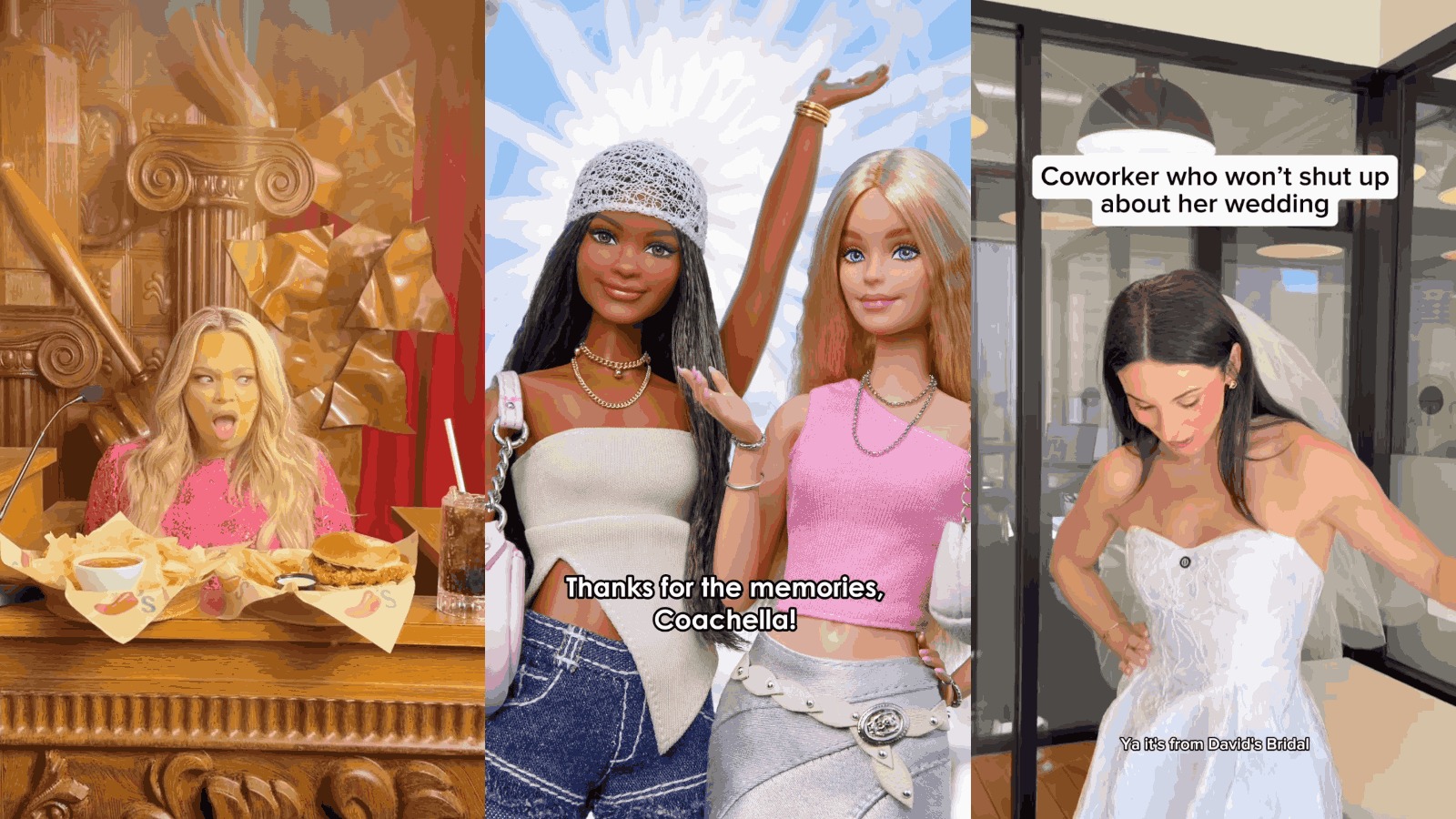
The shift is from awareness to representation: instead of asking "how many people saw this?", the question becomes "how many people saw themselves in this?" Urban Outfitters, American Eagle, and Vaseline are using large creator portfolios to flood the feed this way.
What creator trends should marketers watch next?
Four things: discovery feeds outside social, AI-built creator businesses, creator IP deals, and brand-made micro-dramas.
Discovery feeds everywhere. Patreon and Netflix both announced short-form scrollable feeds; Patreon's Quip format and Netflix's clip feed run on the same thesis. Short form as the on-ramp to longer content, deeper community, and sustained revenue is how creators have always built their audiences. Now major platforms outside social are embracing it.
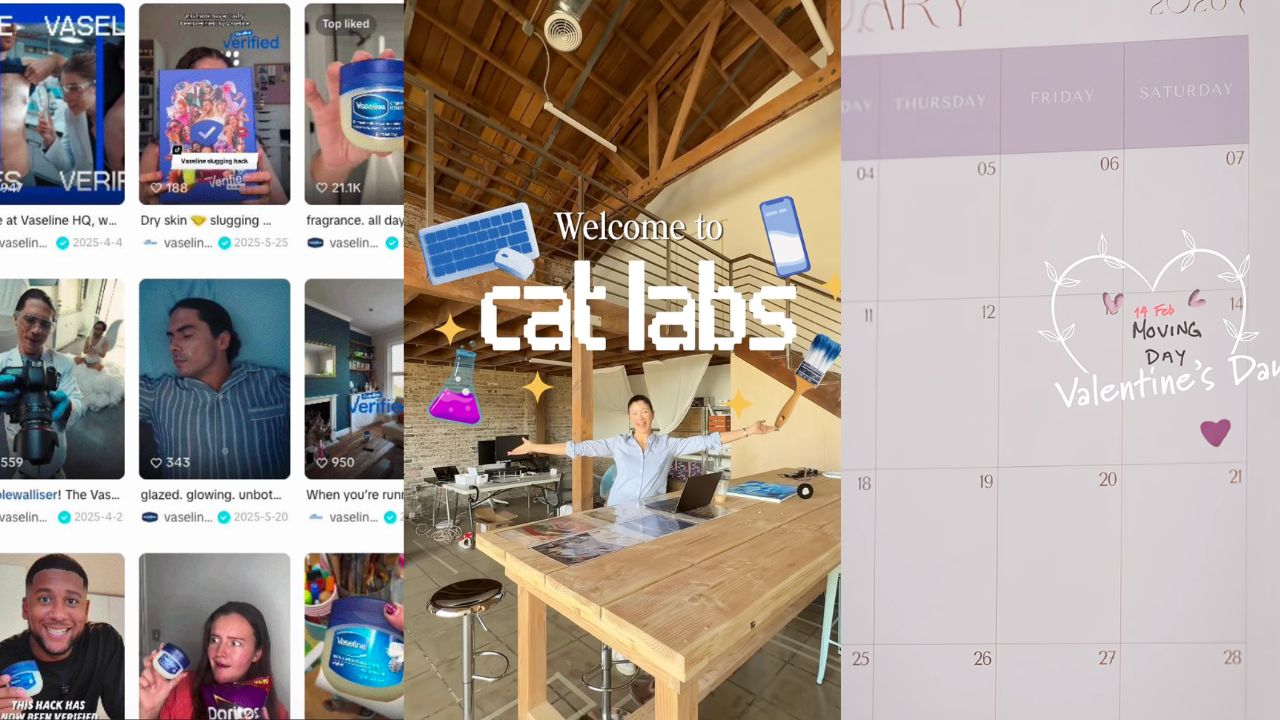
AI-powered creator businesses. 95% of creators in the #paid network use AI in their workflow. The bigger shift is AI enabling creators to become entrepreneurs, not just produce faster. Catherine Goetze, who posts as CatGPT, turned a Bluetooth landline phone she rigged up in her apartment into Physical Phones, then launched Cat Labs, a creator-first product studio where the audience decides what gets made. The audience becomes the R&D lab, the build process becomes content, and the product proves the creator economy has outgrown content alone.
Gen Alpha and creator IP. Salish Matter and her dad Jordan signed a multifaceted Netflix deal to develop, produce, and star in original projects. That's not an influencer deal; it's an IP deal. Netflix isn't paying for a post or a campaign. It's investing in her identity, her audience, and her brand, and betting it can amplify that on one of the world's largest streaming platforms.
Brand-made micro-dramas. Serialized one-to-two-minute vertical episodes, built on cliffhangers. Crocs' Charmed to Meet You, a five-part romance told through Jibbitz charms and drawn from a real employee's story, pulled more than 10 million views; Issa Rae and Fox Entertainment have both signed micro-drama slates. Brands aren't waiting the way they did with TikTok.
Before the democratization of content, nobody would have believed that people sitting in their cars filming themselves eating would make millions of dollars from it. We're at the same kind of inflection point again. With wearables and ambient AI, creators will show up in places we can't picture yet. The formats will look unfamiliar. What won't change is what makes a creator worth paying for.
Frequently Asked Questions
What is the creator economy abundance era?
It's the current phase of the creator economy, where AI tools have made content production accessible enough that content is being made at unparalleled scale. In that environment, creators are valued by the quality of their perspective and the depth of their audience engagement rather than the size of their audience.
How should brands choose which creators to work with?
Choose on three criteria: genuine expertise in your category, original taste and craft rather than trend-following, and measurable performance. Category expertise is the most important quality for Gen Z and millennial buyers deciding whether to purchase from a creator. Follower count still tells you something; it's just not the thing that predicts whether the audience buys.
Can niche creators deliver scale?
Scale comes from the breadth of the creator portfolio rather than the size of any single audience. Brands run many highly specific creators at once, each speaking to a community that trusts them, which fills the feed without depending on one large account. Urban Outfitters, American Eagle, and Vaseline all work this way.
Which platform is best for creator marketing?
There's no single best platform; each has picked a distinct lane. Meta embeds creators into its performance infrastructure, TikTok closes the loop from culture to purchase through TikTok Shop, YouTube supports long-form community and original creator IP, and Pinterest values relevance and taste over reach. Match the platform to the outcome you need.
How much is creator marketing growing?
Creator ad spend is growing four times faster than total media spend, according to the IAB. TikTok reported US TikTok Shop sales up 120% year over year in 2025, YouTube sponsored videos grew 54% in the first half of 2025, and Meta's partnership ads doubled to a $10 billion run rate in Q1. Creator economy M&A rose 73% year over year in the first half of 2025, per Quartermast Advisors.
What is a micro-drama?
A micro-drama is a serialized video story made for vertical, mobile viewing. Episodes run about one to two minutes each, a series can run to dozens of them, and each one ends on a cliffhanger so viewers keep scrolling into the next. Romance and revenge plots dominate. Brands including Crocs have started producing their own, and platforms like ReelShort exist specifically to host the format.
Can creator content influence AI shopping recommendations?
Creator content is already surfaced organically as an authority within LLMs, though creators aren't integrated into AI buying models yet. Sephora runs personalized recommendations through ChatGPT and Gap announced agentic shopping with Gemini. Both are categories where creators carry heavy influence, which makes formal integration a natural next step.