How brand deals actually work for creators

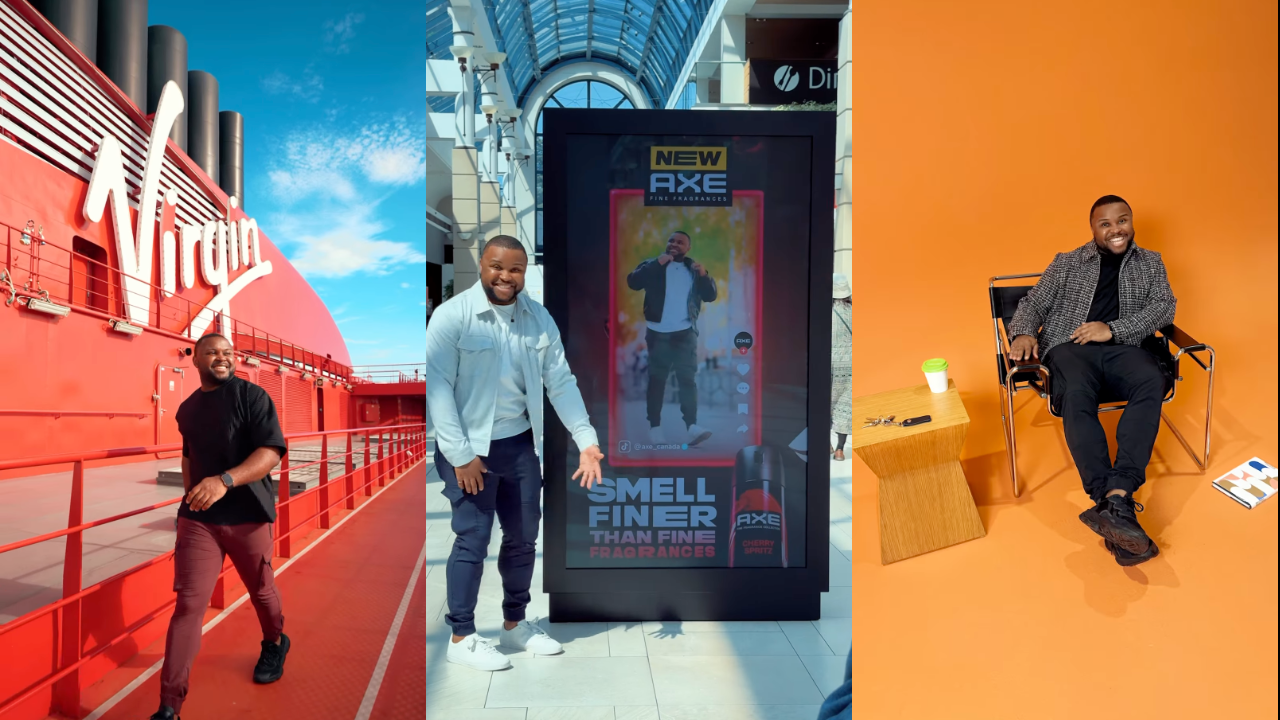
Infiniti x @jamieout collaboration
How do creators get brand deals?
There are two ways to land brand deals: inbound and outbound.
Outbound means you go looking. You find a brand running a campaign, pitch yourself, and try to get selected. The initiative is on you.
Inbound is the opposite. A brand or marketplace comes to you with an opportunity. You didn't have to hunt for it.
The best creator marketplaces offer both. They let you browse open campaigns and apply to the ones that fit. But they also do the work of matching brands to creators behind the scenes, so deals land in your inbox without you chasing them.
If you're a creator on #paid, here's exactly how that process works on the platform.
How does creator-brand matching work?
Inbound deals don't appear randomly. Platforms match you to brands using a variety of data points: your content category, where your audience lives, their age range, your follower count, your engagement rate (the percentage of your audience that actively interacts with your content), your CPE/CPV (cost-per-engagement or cost-per-view, what a brand pays each time someone engages with or watches your content), and your rate.
Increasingly, the most sophisticated platforms also factor in Creator Signals and Predictive Lift Performance data.
Predictive Lift gives brands a data-backed reason to pick you over someone with a similar following. It predicts how your content is likely to influence brand affinity, consideration, and purchase intent; in other words, whether it will actually move real buying decisions for their audience. Creator Signals are unique bits of information about you (your lifestyle, your upcoming plans, things you want brands to know) so that you can integrate their product naturally into content you're already making. For example: "I'm moving into my first home in April" or "I've been training for my first triathlon." Those details open doors to partnerships that feel natural instead of forced.
These are all things you control. If any of them are out of date or missing, you'll get skipped over for campaigns you'd otherwise qualify for. Fill your profile out completely. Set your rates. Keep them current.
Should creators focus on inbound deals or open listings?
Start with open listings, but build toward inbound from day one. Open listings let you self-select for fit and write a strong pitch. As your engagement history grows and your profile fills out, the algorithm has more to work with and inbound opportunities increase.
To set yourself up for inbound, keep these things in order:
Connect your social accounts and make sure your profile is complete. The algorithm can only work with what it can see.
Keep your profile data and Creator Signals fresh. Both are sources the algorithm pulls from when matching you to upcoming campaigns. Update your profile when things change. And engage with the surveys that fill in your Creator Signal data; those questions about what car you drive, whether you have pets, or what life moments are coming up are how brands find you for partnerships that fit naturally into your life. "I'm training for my first triathlon" is useful. "I ran a triathlon last year" is not.
Post regularly. The algorithm looks at your posting history as part of your profile. Consistent creators give brands more content to evaluate and more confidence in what they're buying.
Set rates that are accurate, not aspirational. Rates that are too high relative to your lift performance, audience, and engagement could deprioritize you before a human ever sees your profile.
Choose your content categories carefully. The more specific you are about what you actually make, the better your matches will be.
How do creators get selected over other applicants?
Whether you apply outbound or get selected inbound, you're competing with other creators. Depending on the size of the campaign, a brand is reviewing anywhere from 15 to 500 creators before making a decision.
A variety of data points is what surfaces your profile. It's what the matching algorithm uses to make sure every collaboration is on brand, on message, and trusted by the audiences who follow you.
From there, it's all about your pitch. Marketers read and review every submission. Your message needs to articulate why you're a fit for the brand and why your audience will care. This is a big factor in moving from shortlist to being on a roster (the confirmed group of creators approved to work on a campaign) and getting contracted.
Saying "I love this brand" is not a pitch. Explaining specifically why your audience would respond to this product; that's a pitch. Be specific. Generic answers blend into the pile.
Why does accuracy matter when applying to brand campaigns?
If you overstate your fit, you might get selected. But then you have to pitch a brand you don't actually connect with. That pitch will be weak. If it still goes through, the content will feel forced. The brand will notice. Your audience will notice, too. No one wins. The creators who build long-term relationships with brands are the ones who only raise their hand when the fit is real.
What happens if you miss a campaign deadline?
When a campaign is posted publicly, it has a hard deadline. Brands are working backwards from a go-live date, which means they need applications in, a roster locked, and creators briefed on a fixed schedule. When that submission window closes, it closes. There's no following up, no exceptions. If you see something that fits, apply immediately.
Frequently Asked Questions
What is the difference between inbound and outbound brand deals for creators?
Outbound means you find a campaign and apply to it yourself. Inbound means a brand or platform comes to you with an opportunity based on your profile and match data. Most creator marketplaces support both.
What data do platforms use to match creators with brands?
Platforms typically match on content category, audience location, audience age, follower count, engagement rate, cost-per-engagement or cost-per-view, and creator rate. More advanced platforms also use Creator Signals and Predictive Lift data to refine matches.
What are Creator Signals?
Creator Signals are specific details about a creator's life, lifestyle, and upcoming plans that help platforms match them to relevant brand campaigns. Examples include owning a specific type of car, having pets, or planning a major life event like buying a home. Creators typically provide this through surveys on the platform.
What is Predictive Lift in creator marketing?
Predictive Lift is a data model that estimates how likely a specific creator's content is to influence a brand's target audience. It measures predicted impact on brand affinity, purchase consideration, and purchase intent, giving brands a performance-based reason to select one creator over another with a similar audience size.
How should a creator write a strong pitch to a brand?
A strong pitch explains specifically why your audience is a match for the brand's product or campaign. It goes beyond general enthusiasm and names concrete details: your audience demographics, why they would care about this product, and how you would integrate it naturally into your content. Generic pitches rarely convert.
What happens if you miss the deadline on a public creator campaign listing?
The submission window closes and you can't apply. Brands run on fixed campaign timelines with set dates for roster lock and content delivery. Late applications aren't reviewed. If you see a relevant listing, apply immediately.