Domino's redefines meals, brands offer equity to creators, and ad buyers prioritize creator-led campaigns
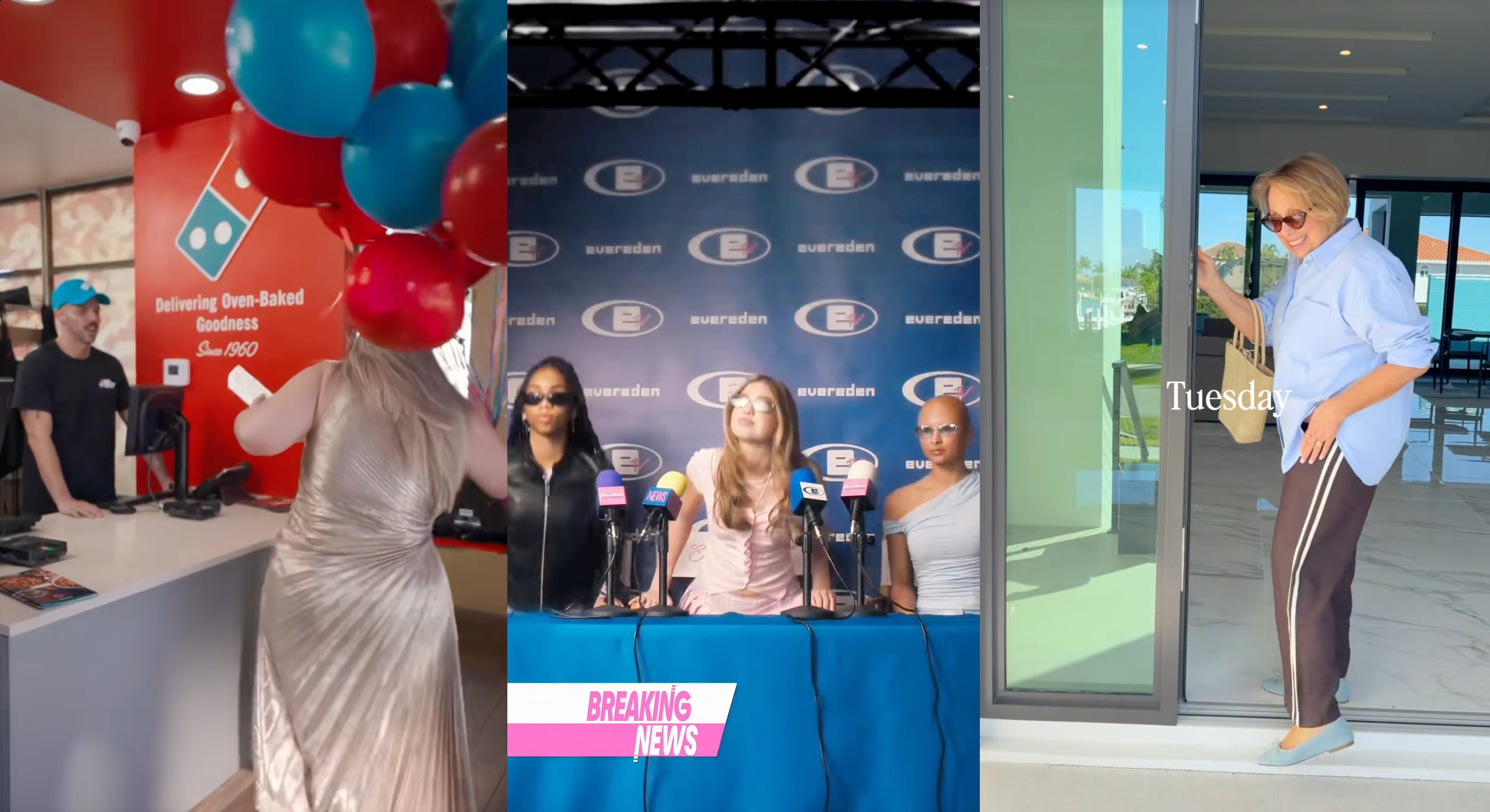
Domino's partners with Trisha Paytas, Evereden creators, and TikTok highlights eight women creators for Women's History Month
Dominos launched a social-first campaign featuring personalized pizza customizations from content creators and athletes. In a new model, a Gen Alpha skin-care brand is offering equity to teen creators, signaling deeper brand-creator relationships. Meanwhile, the IAB reports that 50% of U.S. ad buyers now consider creator-led social campaigns a "must buy," solidifying creators' central role in marketing.
Creator Economy Stats: March 9, 2026
37% of all U.S. adults now use TikTok, doubling its user base since 2021, according to Pew Research. (source)
50% of U.S. ad buyers consider creator-led social campaigns a "must buy," per IAB Executive Zoe Soon. (source)
Nearly 50% of U.S. consumers now use TikTok as a search engine, an increase of 20% in two years, according to an Adobe study. (source)
$11.4 million in revenue has been generated by ESW Beauty, a clean skincare brand, which is now rebranding to double its revenue. (source)
What Should Marketers Know This Week?
Vail Resorts is targeting Gen Z with a 20% discount on Epic Passes and a new social media and influencer marketing campaign.
This strategic shift aims to attract price-sensitive younger generations amidst historic low snowfall and declining visitor numbers, securing the future of skiing. This highlights the critical role of demographic-specific pricing, influencer collaborations, and digital marketing in brand longevity and market expansion.
TikTok has quietly resumed aggressive business operations post-legal resolutions, directly challenging Meta for ad dollars.
The platform is actively targeting independent agencies to secure a larger share of the digital advertising market, signaling intensified competition. This shift in platform priorities signals potential opportunities for ad spend and creator growth for marketers.
OpenAI is actively building its own ad tech stack from the ground up, hiring key personnel for monetization infrastructure.
Despite currently leveraging external vendors, this strategic move indicates OpenAI's long-term commitment to owning its advertising capabilities rather than relying on third parties. This is crucial for marketers looking to engage with AI platforms and for the creator economy seeking new monetization avenues within AI environments.
13-year-old streamer Cdee2Neat, banned from Twitch due to his age, has found significant success on YouTube.
He rapidly surpassed his previous Twitch following after gaining viral attention for a comment about Jamaican beef patties, showcasing his ability to pivot platforms. This demonstrates to marketers and the creator economy the importance of multi-platform strategies and the rapid rise of young, viral talent.
TikTok showcased eight women creators for Women's History Month, emphasizing their role in driving trends and shaping culture on the platform.
The spotlight highlights creators across categories like comedy, beauty, and education, reinforcing TikTok's push to position creators as cultural tastemakers rather than just content producers. Marketers should consider aligning brand campaigns with creator-driven cultural moments like Women's History Month for authentic audience engagement.
Long-form creator shows are gaining significant viewership on TV screens, attracting 52 billion minutes of audience attention last year.
Spotter, a creator growth platform, is pitching episodic creator content as premium, "TV-like" inventory to brands. Despite the substantial audience engagement, brands are still largely allocating smaller social ad budgets rather than larger television-level investments. Marketers should explore shifting larger media budgets towards long-form creator content to reach engaged audiences on the living room screen.
Gen Z loyalty to TikTok is significantly decreasing, driven by the app commercialization through increased ads, brand partnerships, and TikTok Shop.
A new Harris Poll report finds that Gen Z users are growing frustrated with TikTok shift toward heavy commercialization. The increase in ads, sponsored content, and TikTok Shop integrations is eroding the organic, discovery-driven experience that originally attracted younger users. Marketers should monitor whether over-commercialization is pushing Gen Z toward other platforms, and consider balancing paid placements with organic creator content.
TikTok ads drove a median 172% lift in movie ticket purchases, significantly outperforming linear TV advertising.
A meta-analysis by TikTok and Samba TV across 38 theatrical campaigns found that TikTok promotions consistently drove higher box office sales than traditional TV ads. The study also showed TikTok campaigns reached audiences that linear TV missed entirely, particularly younger demographics. Film marketers and entertainment brands should consider shifting more budget toward TikTok to reach audiences unreachable through traditional TV buys.
What Changed on Social Platforms?
Meta
Instagram opened up content scheduling, insights, and trending audio to all public accounts, removing the requirement for Professional Mode. Previously limited to professional accounts, these creator tools are now available to anyone with a public profile. (source)
YouTube
YouTube launched non-skippable overlay ads on Android and iOS, coinciding with the global rollout of Video Reach Campaign Non-Skip Ads in Google Ads and Display & Video 360. Users are reporting persistent, non-dismissible ad formats across the app. (source)
Snapchat
Snapchat added new Cricket in a Snap advertising tools to help brands engage with India's massive cricket audience, offering immersive AR experiences and live score integration. (source)
Which Brands Are Working with Creators Right Now?
Knorr
Unilever's Knorr brand launched its #ServingSingles campaign, leveraging the viral #DateMyFriend social trend and TikTok's Branded Mission to encourage user-generated content where consumers nominate single friends who can cook. (Marketing Dive)
Vail Resorts
Vail Resorts is actively targeting Gen Z with a 20% discount on Epic Passes for ages 13-30 and a new social media and influencer marketing campaign to attract new skiers. (Business Insider)
Gen Alpha-focused skin-care brand
A Gen Alpha-focused skin-care brand is pioneering a new influencer marketing model by offering equity to teen creators, moving beyond traditional one-off paid posts. (Digiday)
Dominos
Dominos launched a social-first campaign redefining "celebrity meals" by featuring personalized pizza customizations from prominent social media influencers, content creators, and college basketball players. This initiative, promoting the "Best Deal Ever" ahead of March Madness, leverages the creator economy to drive mobile orders. (Marketing Dive)